.jpeg)
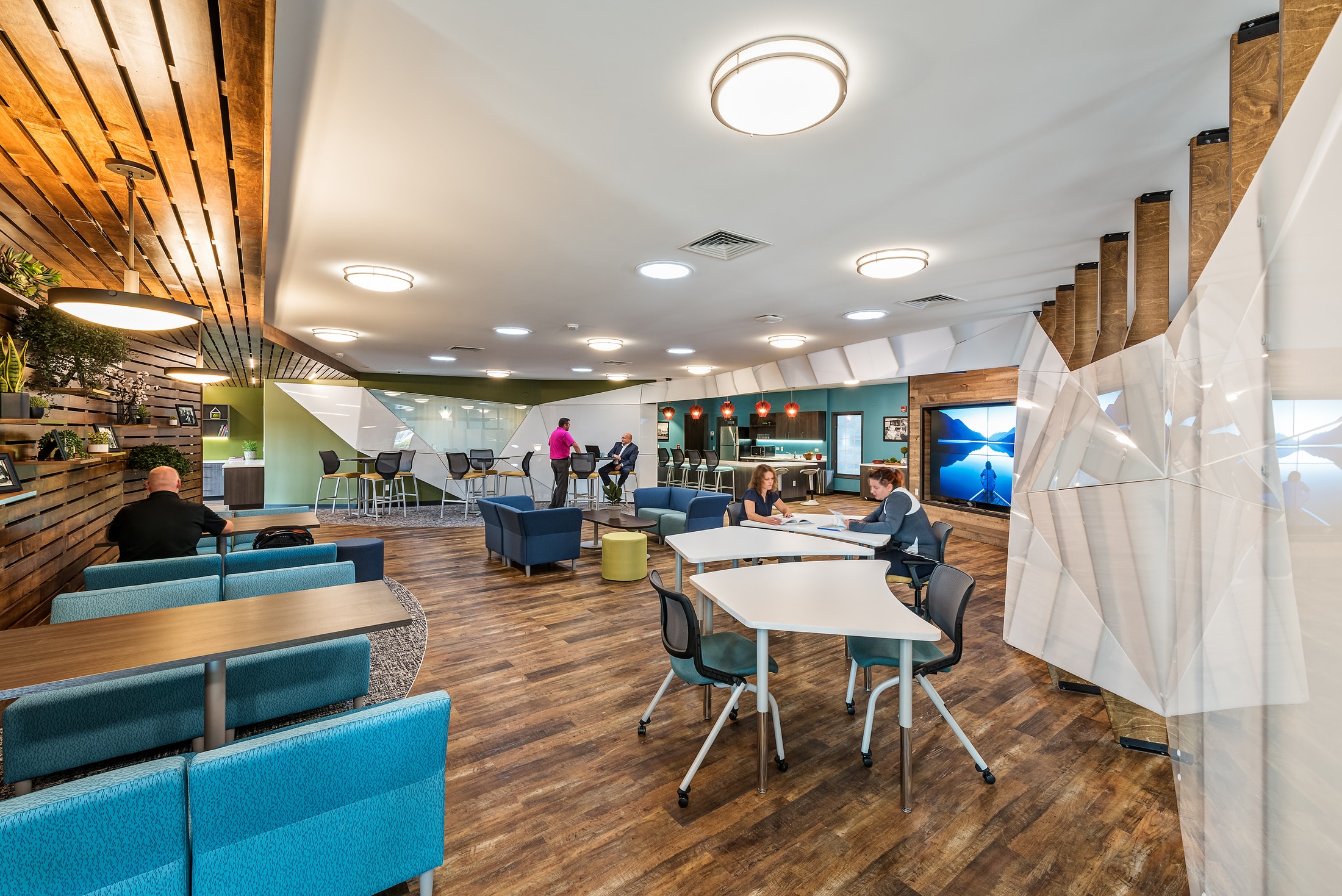
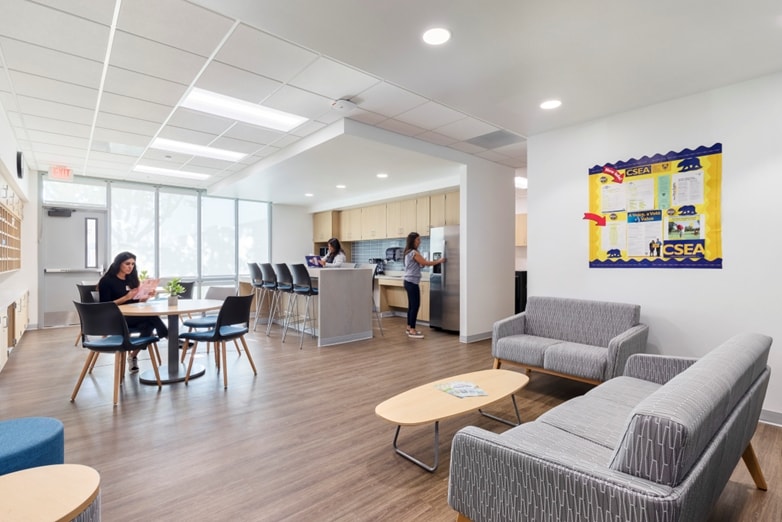
The Student Support Services department plays a critical role across elementary, middle, and high school levels, integrating the work of counselors, school psychologists, nurses, mental health specialists, speech pathologists, social workers, and student discipline teams. These professionals collectively address the academic, social-emotional, behavioral, and physical well-being of students. Because students’ needs vary widely, this department must have a dedicated set of spaces that provide privacy, safety, accessibility, interdisciplinary teamwork, and flexibility.
To best meet the needs of students, Support Services offices should be in centralized, student-friendly locations that avoid the punitive association of entering the main administrative office. Counseling and health services should be visible and accessible but not co-mingled with discipline spaces. When multiple providers work together and can see one another, either through windows, shared corridors, or adjacency—collaboration improves, student needs are met more quickly, and confidentiality is better maintained.
Physical design also must address supervision, safety, and acoustic privacy, especially given the increase in mental health needs, medically fragile students, diabetic care requirements, and students requiring regulated sensory spaces. Ultimately, the goal of Student Support Services is to create a safe, calm, and welcoming ecosystem where students can receive help without stigma, where staff can collaborate naturally, and where spaces are sized and configured appropriately for their unique functions.


Murrieta Valley Unified School District
Facilities Master Plan


.jpeg)
.png)

.jpeg)