The district approaches educational technology through a tight partnership between Educational Services (Ed Tech) and Technology Services, emphasizing long-term planning, future-proofing infrastructure, and integrating technology to support teaching and learning—not technology for its own sake.

Since 2013, the district has maintained a collaborative Educational Technology Committee, and a major technology bond in 2014 standardized audio-visual (AV) systems across all schools. A key priority has been scalability and adaptability, as demonstrated by:

  • Future-ready classroom AV systems wired for both legacy and modern standards (e.g., VGA → HDMI transitions).
  • Ceiling wiring and infrastructure that allowed projector and screen upgrades without room redesign.
  • Standardized teacher stations, dual-monitor setups, webcams for instructional recording, and universal voice amplification systems.
  • Classroom-grade wireless access points and a district-supported 1:1 device program via classroom Chromebook carts.
  • Infrastructure deployments designed for evolving needs, such as audio systems, hybrid-learning compatibility, and advanced room microphones.

A major recent development is the Early Learning Center (ELC), which the district retrofitted using in-house expertise as a “proof of concept” for the latest AV, access control, and security technologies.

The district anticipates revising its districtwide technology plan, which has become outdated since the major instructional shifts of COVID-19.

The district’s technology ecosystem is robust, future-minded, and highly standardized in classrooms.

Educational Specifications should:

  • Preserve and build upon classroom AV standards
  • Plan for next-generation room microphones
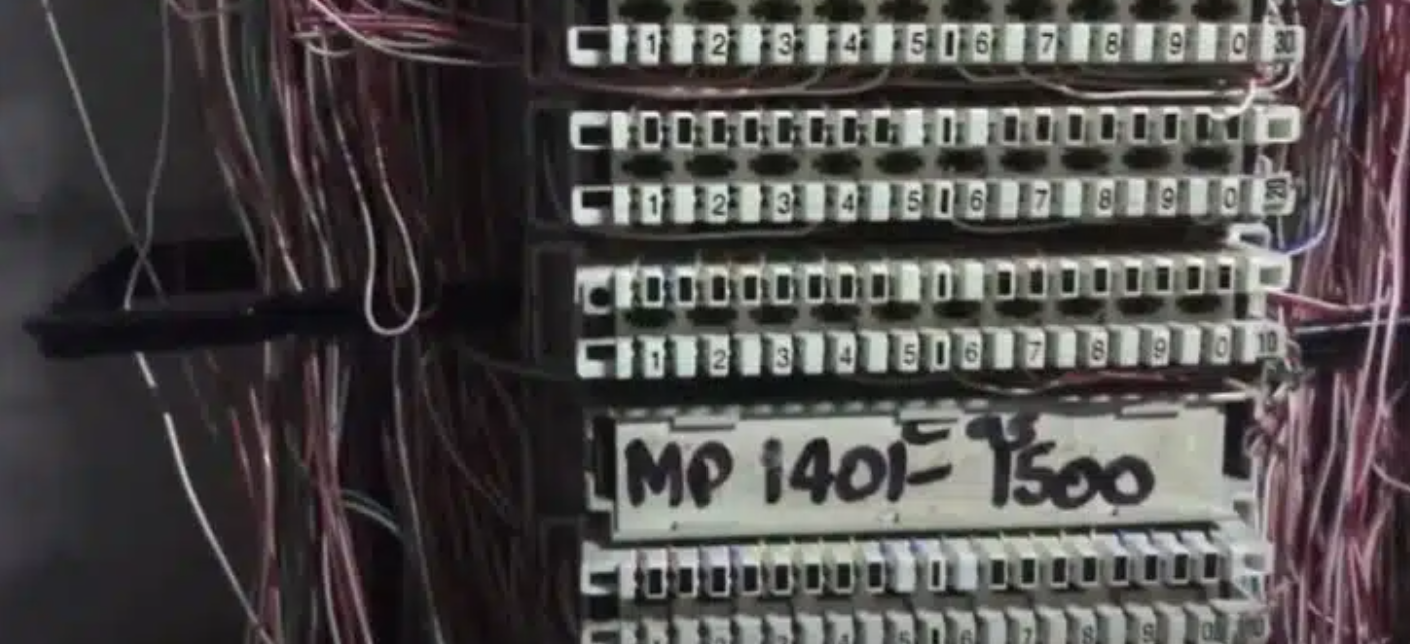
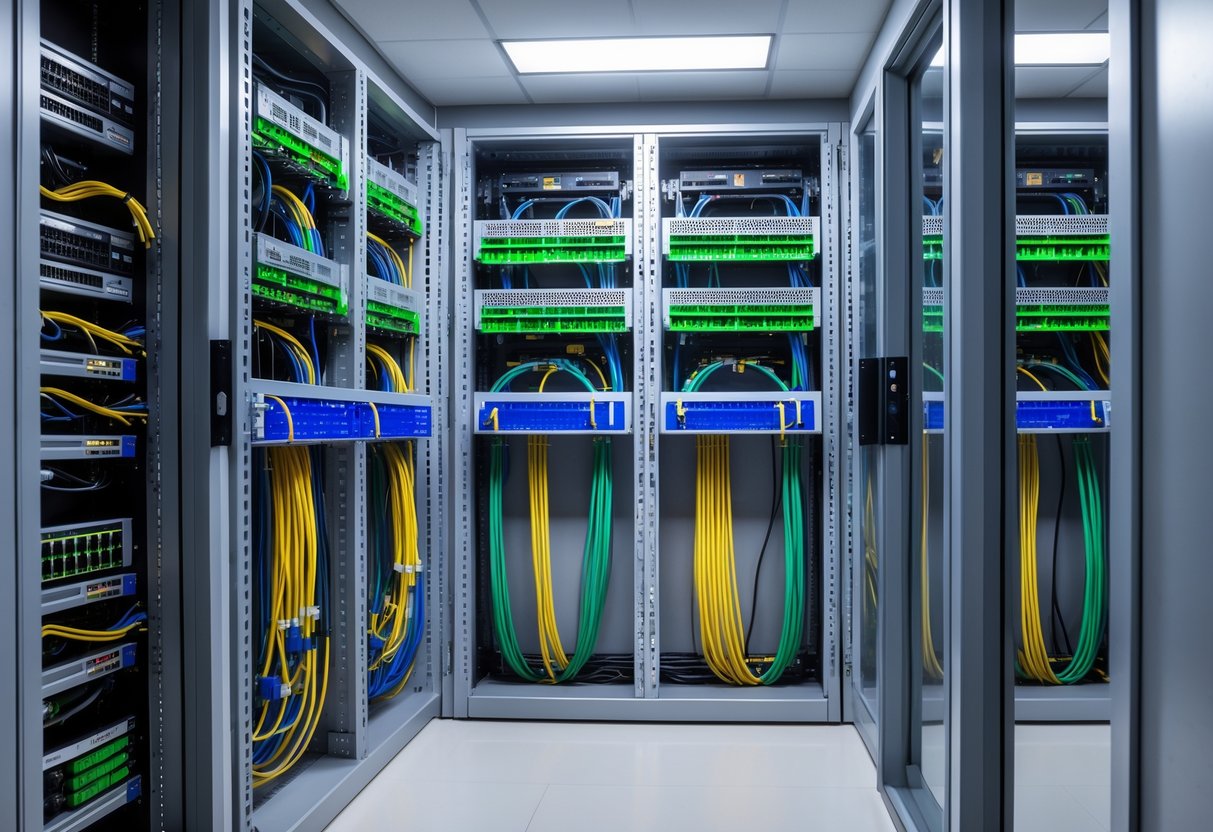
  • Define MDF and IDF room requirements for future buildings
  • Recommend optional technician touchdown spaces
  • Require consultation with Technology Services for AV in gyms/MPRs/theaters
  • Acknowledge recabling implications in renovation projects
  • Reference the district’s forthcoming technology plan for implementation details

This ensures that future school modernizations and new construction are aligned with instructional needs, infrastructure realities, and evolving technology capabilities.

TECHNOLOGY USAGE BY INSTRUCTIONAL SPACE

Standard Classrooms

The district’s most common configuration includes:

  • Chromebook cart model (1 cart per classroom, sized to class roster)
  • Hardwired teacher workstation
  • Dual monitors (one mirrored to projector, one private)
  • Ceiling-mounted LED short-throw projector
  • 10-foot motorized projection screen
  • Ceiling-mounted speakers for computer and media audio
  • Classroom voice amplification system
  • Webcam for recording lessons, livestreaming, IEP meetings, etc.
  • High-density Wi-Fi access point

This configuration is used across elementary, middle, and high schools, with exceptions only for specialized spaces (PE, certain CTE labs, performing arts).

A future-ready feature under consideration:
High-end room microphones (currently piloted at the ELC using Shure arrays), especially helpful for:

  • home/hospital students
  • remote IEP or conference participation
  • hybrid instructional situations
  • improved audibility for students with disabilities

Technology-Related Space Types

The focus group identified several types of spaces directly supporting technology operations at school sites:


  1. MDF (Main Distribution Frame) Rooms
  2. IDF (Intermediate Distribution Frame) Rooms / Network Closets
  3. Technician Workrooms (Touchdown Spaces)
  4. Classroom AV and IT Infrastructure
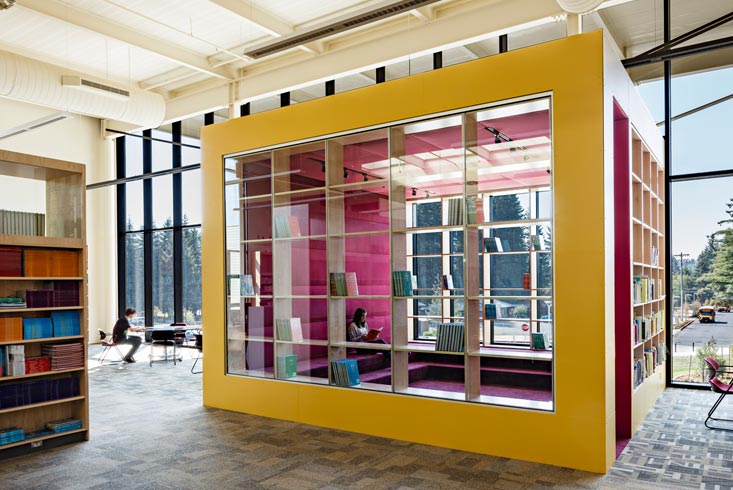
  5. Libraries / Learning Commons
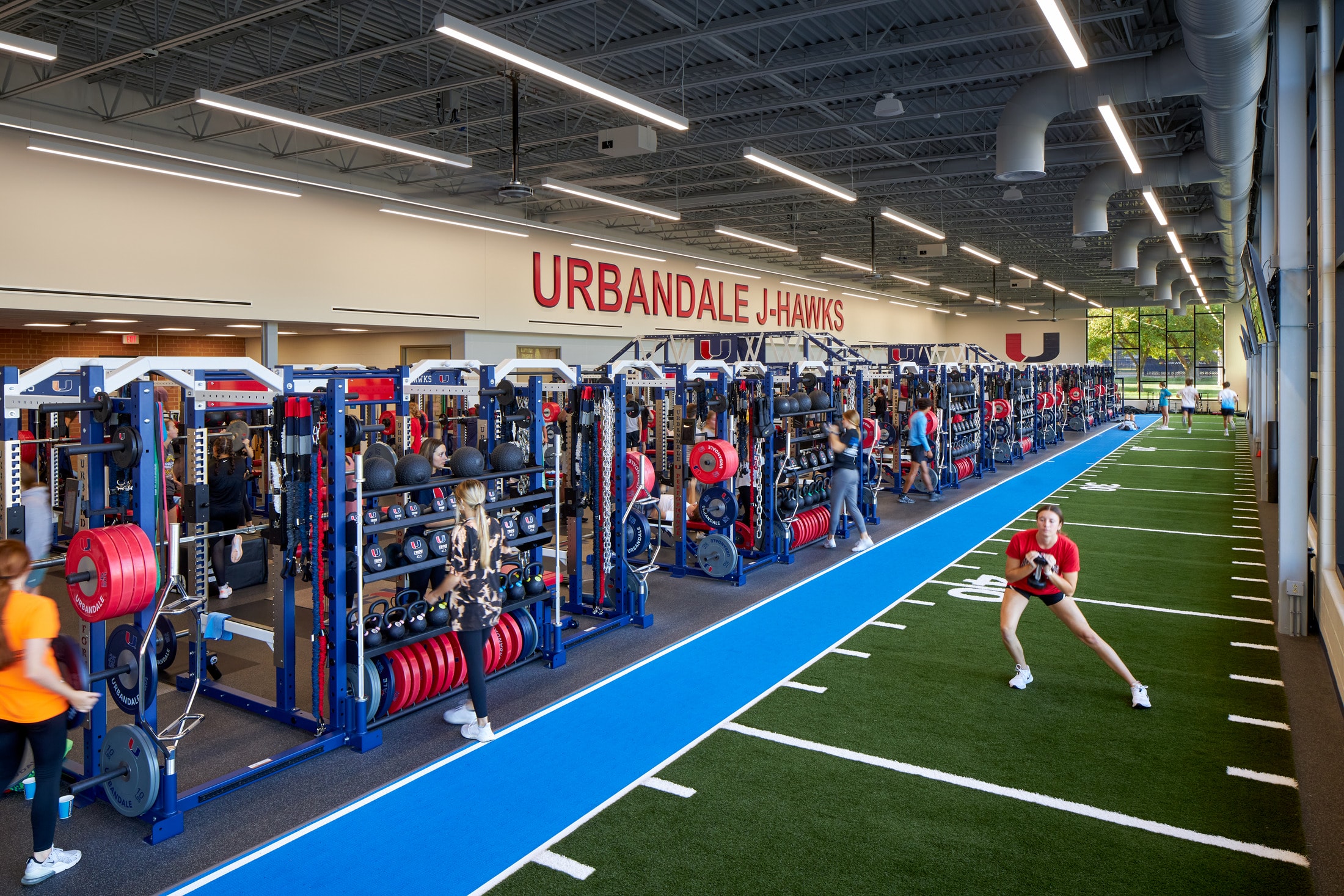
  6. Gyms & Multi-Purpose Rooms (MPRs)
  7. Theaters / Performing Arts Centers
  8. Specialty Instructional Spaces (CTE labs, Lecture Hall at Vista, etc.)
Spatial Adjancencies and Relationships
CUSD Logo
Copyright ©
All rights reserved.

Murrieta Valley Unified School District
Facilities Master Plan