.png)
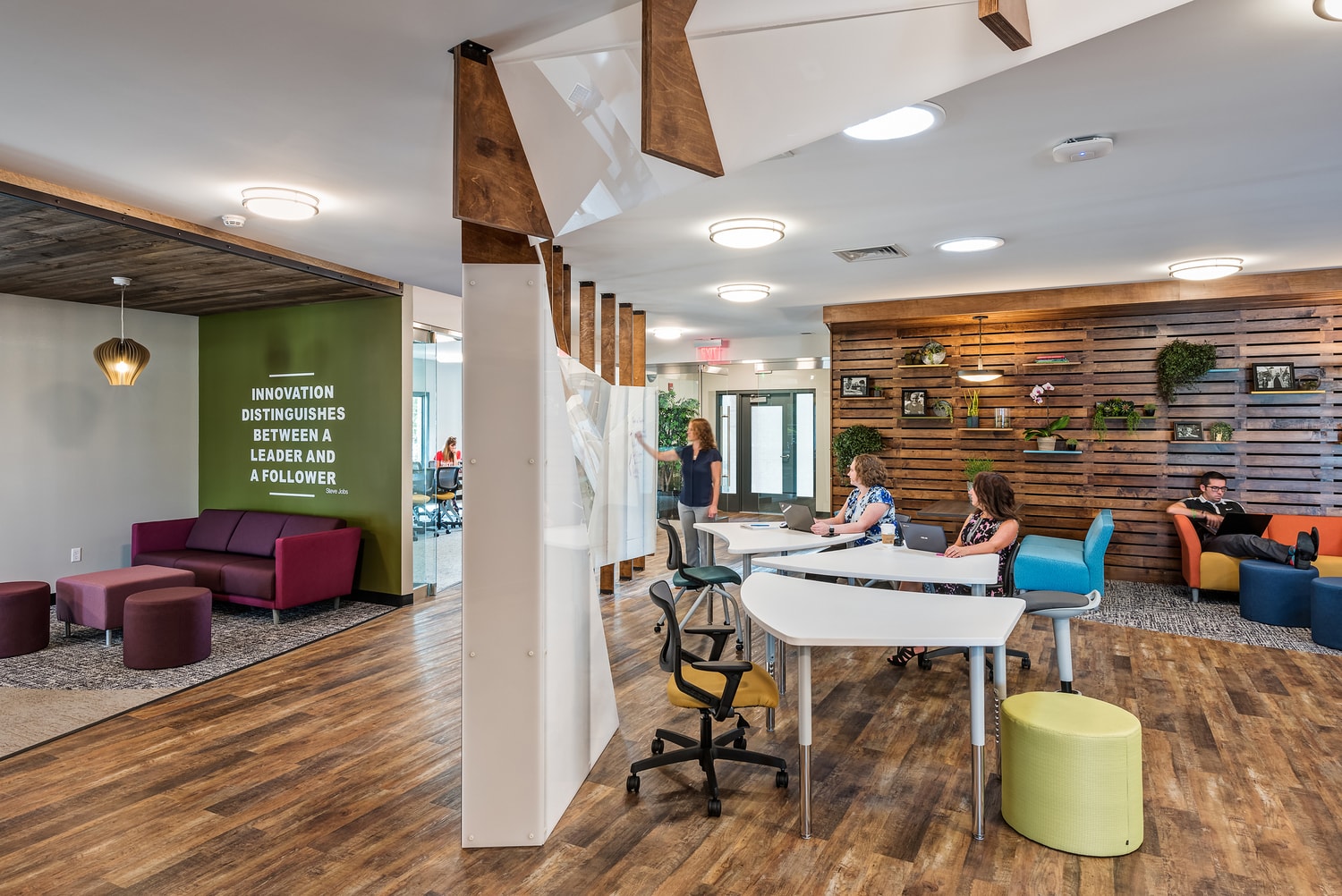
The Standard Classroom—representing general education learning spaces across elementary, middle, and high school levels—serves as the core instructional environment for students. These spaces must support contemporary teaching practices, evolving technologies, and flexible learning models. The needs for classrooms are adaptive, student-centered, and equipped to support a wide range of instructional strategies, from whole-class instruction to individual and small-group work.
Across grade levels, educators highlight the importance of flexibility, storage, technology integration, visual teaching surfaces, classroom comfort, and multiple zones for different learning activities. Teachers also stress the importance of daylighting, acoustic management, and healthy circulation of students within the room, including minimizing clutter and ensuring students have space to move, collaborate, and transition between activities.
Another key theme is nimbleness over time: classrooms must be designed so that evolving curriculum, technology, and teaching methodologies can be easily integrated without major reconstruction. Movable furniture, modular storage, multiple display locations, and accessible technology infrastructure support this long-term adaptability.
Finally, the general education program extends beyond the four walls of the classroom. Outdoor learning areas, staff support rooms, and adjacent small-group spaces all play critical roles in creating a holistic and functional learning ecosystem.

Murrieta Valley Unified School District
Facilities Master Plan


.jpg)
.jpg)